Artzi Lab | From Bench to Bedside


Principal Investigator

Natalie Artzi is a Professor of Medicine at Harvard Medical School, a Hansjӧrg Wyss Professor of Biologically Inspired Engineering at Harvard University, Head of Structural Nanomedicine at Mass General Brigham's Gene and Cell Therapy Institute, Associate Institute Director of the Wyss Institute for Biologically Inspired Engineering at Harvard University, and Visiting Scientist at the Institute for Medical Engineering and Science at MIT. Dr. Artzi is a biomedical scientist-engineer renowned for transformative contributions to structural nanomedicine and pioneering work on tissue- and cell-responsive materials. Dr. Artzi developed materials that activate based on chemical cues, enabling targeted drug delivery, and creating a novel "depot effect" where nanotherapeutics are released to neighboring cells to enhance immune therapy.
Dr. Artzi's program in tissue- and cell-responsive materials understands that personalized medicine can be applied to biomaterial design. Dr. Artzi has developed platforms that sense biological environments, enhance tissue repair, and report on tissue state. Her work has shown that material performance is contextual and that healing via implanted polymeric biomaterials is affected by inflammation or disease. Her lab has developed stable and potent immune modulatory nanostructures that activate target immune cells, enhance specificity and efficacy, shuttle drugs to specific organs, and interact with cancer and immune cells to modulate their phenotype. She also developed methodologies to track material erosion, drug distribution, and cell fate noninvasively.
Dr. Artzi has been recognized with numerous prestigious awards, including the 2024 Acta Biomaterialia Silver Medal, the 2024 Clemson Award for Applied Research, and the mid-career award from the Society for Biomaterials. She was the inaugural recipient of the Kabiller Rising Star Award in Nanomedicine. Artzi is a Fellow of both the American Institute for Medical and Biological Engineering (AIMBE) and the Controlled Release Society, reflecting peer recognition of significant contributions to biomedical engineering and drug delivery technologies. She has also chaired several prestegeous conferences such as the 2023 Nano Drug Delivery Systems conference and the 2026 Gordon Research Conference focusing on Drug Carriers in Medicine and Biology.
The Team
Staff

Philip Zakas, PhD
Principal Scientist, Advanced Technology Team
Philip is a Principal Scientist within the Advanced Technology Team at the Wyss Institute focusing on translational therapeutics and genetic medicines. Philip is a pharmacologist and systems biologist with extensive experience in lipid nanoparticle delivery and tolerability as well as viral vector-based genetic medicines. Prior to joining the Wyss, Philip worked as a Senior Scientist within the Delivery Biology team at Tessera Therapeutics. He and his team screened 100+ novel ionizable lipids and formulations in vivo for liver indications including PKU and AATD, as well as contributing to extrahepatic targets including in vivo CAR-T and HSCs for cancer and Sickle Cell Disease, respectively. This work resulted in IND approved compositions entering clinical trials this year. Earlier, Philip led a non-viral DNA delivery project for long-term correction of hemophilia A at Bioverativ, a Sanofi Company. Philip earned his PhD in Molecular and Systems Pharmacology at Emory University and completed his postdoctoral training at Queen’s University focusing on genetic medicines for rare bleeding disorders, hemophilia A and von Willebrand’s Disease.

Christopher DiRusso, PhD
Research Lab Manager
Chris is a Research Lab Manager in the Artzi Lab, where he supports laboratory safety and compliance in our multidisciplinary, translational research environment. In this role, he oversees day-to-day activities in our BWH lab site. Prior to joining the Artzi Lab, Chris completed his doctoral research at Boston University, where his work focused on the molecular regulation of NF-κB signaling, including how protein structural organization and point mutations of the NF-κB pathway scaffold protein NEMO affect pathway activation and dysregulation in immune and inflammatory contexts. Chris is passionate about fostering an organized, inclusive, and collaborative research culture that supports scientific excellence and translational impact.
Instructors

Alexander Cryer, PhD
"Nanotechnology and drug delivery"
Alex is an instructor in cancer immunoengineering. He received his Bachelor of Science in Biochemistry (2014) and Masters in Biomedical Research (2015) prior to obtaining a Ph.D. from Imperial College London, U.K. (2019), focused on the development of nanoparticle drug delivery systems for cancer therapy. His current work centralizes around engineering therapeutic cancer vaccines and improving immunotherapy delivery using biomaterials and nanotechnology.

Michelle Dion, PhD
"Immune Engineering and drug delivery"
Michelle received her PhD from the Harvard-MIT Health Sciences and Technology Medical Engineering and Medical Physics program. Her research interests are in nanotechnology, immune engineering, and drug delivery. Prior to graduate school, she worked at Genentech developing long-acting ocular drug delivery technologies and applying antibody engineering techniques for the optimization of ocular therapeutics. She received her S.B. in Chemical-Biological Engineering from MIT.
Postdoctoral fellows

Eliz Amar-Lewis, PhD
"Biomaterials and drug delivery"
Eliz is a scientist specializing in biomaterials, nanomedicine, gene editing, and RNA therapeutics. She received her B.Sc. in Chemical Engineering from Ben-Gurion University of the Negev and completed her M.Sc. and in her Ph.D., she studied polysaccharide-based delivery systems for nucleic acid delivery, including siRNA and plasmid DNA, as platforms for cancer gene therapy. Her doctoral work also explored the use of therapeutic ultrasound to overcome biological delivery barriers and the design of biomaterials for controlled and sustained drug release applications.
Following her doctoral studies, Dr. Amar-Lewis served as a Senior Scientist at ART Bioscience, where she developed lipid nanoparticles for gene therapy applications targeting the rare disease Duchenne muscular dystrophy. Her work focused on engineering LNPs to enhance muscle cells specific targeting in vivo. She is inspired by the translational and multidisciplinary approach of the Artzi lab, her research integrates biomaterials science, immunoengineering, and targeted gene editing therapeutics to develop next-generation therapeutics for cancer and rare vascular diseases. Her current research focuses on engineering lipid nanoparticles for targeted delivery of gene editing cargos and RNA therapeutics. She develops vascular-targeted delivery systems for precision gene editing applications in smooth muscle and endothelial cells, with particular emphasis on pediatric vascular disorders and rare genetic diseases. In parallel, she works on the development of innate immune agonist platforms for cancer immunotherapy to induce potent systemic anti-tumor immune responses through organ-selective delivery strategies.

Tengyu He, PhD
"Nanomedicine and cancer immunotherapy"
Tengyu is a postdoctoral research fellow in nanomedicine for cancer immunotherapy. He received his Master of Science in Materials Science from University of Chinese Academy of Sciences, China (2018) and Ph.D. in Materials Science from University of California San Diego, US (2023). His research centers on innovating nanomaterials and self-assembling peptides-based compounds for cancer immunotherapy. He currently focuses on amplifying cancer immunotherapies with immunogenic tumor cell death.

Namrata Ramani, PhD
"Biomaterials and cancer immunotherapy"
Namrata is a postdoctoral fellow at the Wyss Institute with a focus on biomaterials and cancer immunotherapy. She received her B.S. in Materials Engineering at the University of California at Los Angeles, and her Ph.D. in Materials Science and Engineering at Northwestern University under the supervision of Professor Chad Mirkin. Her PhD research was focused on using programable DNA interactions to control the chemical and mechanical cell signaling environment of hydrogels. Her current research interests include designing new nanostructures that exhibit tissue tropism and using materials to understand and treat complex disease.

Erin O'Brien, PhD
"Cell therapy and cancer immunotherapy"
After graduating from Drexel University with a BS/MS in Biomedical Engineering, Erin worked as a research assistant at the Wistar Institute in Philadelphia. She returned to Drexel for her PhD, during which time she also conducted research at the Eindhoven University of Technology in the Netherlands. Her PhD work sought to understand macrophage phenotype transitions and to leverage them in a cell therapy to promote tissue regeneration. Her primary research interests are biomaterials, immune engineering, and cancer immunotherapy.

Yongkuk Park, PhD
"Bone regeneration and cancer immunotherapy"
Yongkuk is a postdoctoral research fellow with a focus on biomaterials, tissue engineering, and cancer immunotherapy. He earned his B.S. and M.S. in Chemical Engineering from the University of Seoul, where he developed nucleic acid-based nanodrugs and hydrogels for cancer therapy. He completed his Ph.D. at the University of Massachusetts Amherst. His Ph.D. work centered on bone organoid models to study localized bone remodeling and osteoporosis treatments. Currently in the Artzi Lab, he researches drug delivery systems for bone regeneration and immunotherapy.

Zohar Pode, PhD
"Drug development and immune engineering"
Zohar is an experienced organic chemist specializing in therapeutic oligonucleotide development and production. She served as Head of CMC and GMP Production Site Manager at Aummune, leading the development and clinical manufacturing of therapeutic oligonucleotides. Prior to that, she was Head of Chemistry at Aummune, managing preclinical development of DNA-based immune-oncology therapies. Zohar also worked as a Senior Research Scientist at Protekt Therapeutics, developing small-molecule drugs for neurodegenerative diseases. She holds a Ph.D. in organic chemistry from the Weizmann Institute of Science, where her research focused on organic synthesis, biomolecule sensing, and bioconjugation.

Zhenyu Han, PhD
"Nanomedicine and immune engineering"
Zhenyu Han is a postdoctoral fellow working at the interface of chemistry and biologically inspired engineering. His research focuses on developing and applying biochemical tools to study chemical modifications of biomolecules such as DNA and proteins involved in immune pathways. In parallel, he aims to translate our molecular-level understanding into the design of next-generation cancer immunotherapies by expanding the chemical, structural, and topological toolbox of biomaterials. Zhenyu received his B.S. in Chemistry from the College of William & Mary, and Ph.D. in Chemistry from Northwestern University. During his doctoral research, he developed strategies to chemically modify proteins with nucleic acids, enabling DNA-directed assembly of protein polymers and 3D single crystals, intracellular delivery of CRISPR/Cas genome editors, and biomineralization of abiotic nanoparticles using protein cages.

Seungheon Lee, PhD
“Nanomedicine and drug delivery”
Seungheon is a postdoctoral research fellow interested in the interfacial chemistry between biomolecules and nanomaterials. He received his B.S. in Nanoscience and Engineering from Inje University and his M.S. in Chemistry from Gyeongsang National University, followed by a Ph.D. in Chemistry from The University of Texas at Austin. His doctoral research focused on programming protein function at DNA interfaces. His work explored how local chemical environments at engineered nanomaterial interfaces can regulate enzyme activity and overcome biological barriers for protein delivery. In the Artzi Lab, he is interested in developing targeted nanomaterial-based delivery systems for gene editing and immunotherapy.
Graduate Students

Logan Beatty
Logan is a PhD student in the Harvard-MIT Health Sciences and Technology Medical Engineering and Medical Physics program with a concentration in biological engineering, and a NSF Graduate Research Fellow. He is interested in exploring how biomaterials can be engineered to regulate the immune system on a localized scale in autoimmune disease contexts. He earned his B.S. in biomedical engineering at the University of Miami, where he worked in the Mechanobiology Lab, the Islet Immunoengineering Lab, and for Akron Biotechnology.

Kexuan (Coco) Huang
Coco is a PhD student in the Harvard Biological and Biomedical Sciences Program, co-mentored by Dr. Natalie Artzi and Dr. Nir Hacohen. Her research focuses on reprogramming cellular states in cancer and autoimmunity using mRNA–lipid nanoparticle (LNP) approaches. Coco earned her B.A. in Biology from Columbia University. As an undergraduate, she studied hematopoietic stem cell metabolism in Dr. Emmanuelle Passegué’s lab, gut stem cell signaling in Dr. Timothy C. Wang’s lab, and host–microbiome interactions in Dr. Harris Wang’s lab.

Arbri Kopliku
Arbri is a PhD student in the Harvard-MIT Health Sciences and Technology Medical Engineering and Medical Physics program. He is excited about combining machine learning with drug delivery to develop novel biomaterial platforms for cancer immunoengineering. Arbri earned his B.Sc. in Biological Engineering from MIT, during which he worked at the MIT Center for Biomedical Innovation (Sinskey Lab), the Koch Institute (Hemann Lab), Moderna (Novel Biotherapeutics), and Eli Lilly (Delivery, Device, and Connected Systems). His previous experiences span biomanufacturing, combination chemotherapy, protein engineering, and medical devices.

Jacqueline Li
Jacqueline is a PhD student in the Harvard-MIT Health Sciences and Technology Medical Engineering and Medical Physics Program, concentrating in biological engineering. As an NSF Graduate Research Fellow, she is interested in investigating the stem cell-regulated immunological mechanisms that drive glioblastoma initiation and recurrence. Her work aims to leverage these insights to develop targeted therapies for durable remission. Jacqueline earned her B.S.E. in Bioengineering with a minor in Chemistry from the University of Pennsylvania. Previously, she conducted research on lipid nanoparticle design in the Mitchell Lab and studied the gut-brain axis at the National Cancer Institute

Kaitlin Mrksich
Kaitlin is an MD-PhD student in the Harvard/MIT MD-PhD Program. Her research interests are in drug delivery, immune engineering, and translational nanomedicine. She earned her B.S.E. in Bioengineering from the University of Pennsylvania, where she worked in the Mitchell Lab developing lipid nanoparticles for RNA delivery, focusing on how ionizable lipid structure influences delivery efficacy and tissue targeting.

Ella Moore
Ella is a first-year PhD student in the Harvard-MIT Health Sciences and Technology Medical Engineering and Medical Physics program. She earned her B.S. in Biomedical Computation from Stanford University, where she investigated the influence of peripheral infection on glioblastoma progression in the Barron Lab. Ella plans to pursue research related to neuroimmunology, with particular interests in precision drug delivery and cancer immunoengineering.
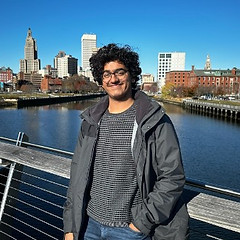
Shashaank Venkatesh
Shashaank is a PhD student in the Harvard-MIT Health Sciences and Technology Medical Engineering and Medical Physics program with a concentration in Biological Engineering. He is interested in studying the progression of cancer and the tumor microenvironment from the perspective of mechanobiology and statistical physics, and developing techniques to arrest and reverse cancer progression. He earned his BEng in biomedical engineering at the National University of Singapore (NUS). During his undergraduate degree, he worked in the Computational Biology Lab, Advanced Robotics Center, Institute for Health Innovation & Technology, and Soft Nanobiomaterials Lab at NUS, as well as at the Medical Microsystems Lab at ETH Züric and the Biomanufacturing Technology Lab at A*STAR in Singapore.
Undergraduates

Adrian Contreras Castaneda
Adrian is an undergraduate student at Tecnologico de Monterrey majoring in Biotechnology Engineering. His previous research experience includes benchmarking AI protein function prediction models, development of bio-based medical adhesives, and evaluation of natural extracts using in vitro hepatic cancer models. He has also contributed to Project Origen, a Mexican genomic and clinical biobank, through regulatory and operational support. He is passionate about the discovery and development of new biopharmaceuticals for diabetes, neurological disorders, and genetic disorders, as well as advances in regenerative medicine for organ replacement. He is interested in nanomedicine, gene therapies, and drug delivery.
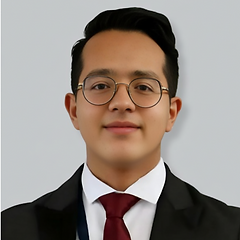
Roberto Emmanuel Rios Contreras
Roberto Emmanuel Rios Contreras is a Nanotechnology Engineering student at Tecnológico de Monterrey in Mexico. He is passionate about bridging materials science and bio-engineering to develop advanced solutions that improve clinical outcomes and patient quality of life. His research experience includes serving as a Junior Researcher at Next-Gen Scientists within the FEMSA Expedition Lab, where he focuses on lithography and the fabrication of PDMS microstructures for dielectrophoretic entrapment. Additionally, his background includes solving industry-driven academic challenges, such as optimizing drug solubility for Pfizer and synthesizing advanced coatings for 3M. His interests include microfluidics for diagnostics—specifically studying blood cell flow dynamics within microchannels—and designing smart nanocarriers for targeted drug delivery.

Ingrid Flores
Ingrid is a medical student at Tecnológico de Monterrey’s School of Medicine and Health Sciences with a strong interest in translational research and the ultimate goal of improving patient care and therapeutic strategies. Her experience includes training at MD Anderson Cancer Center, where she engaged in both basic and clinical research. Her basic science work focused on innate immune ligands and their role in modulating epithelial immune responses, while her clinical research centered on radiation-induced autonomic baroreflex failure. She seeks to continue contributing to science through research initiatives that bridge innovative scientific knowledge with patient-centered clinical applications.

Rubén Ávila Garnica
Rubén Ávila Garnica is a Biotechnology Engineering student at Tecnológico de Monterrey in Mexico City, with a strong interest in nanomedicine, tissue and immune engineering, and translational therapeutic development. His research experience includes working with the zebrafish model to conduct toxicology assays, in vivo imaging, and microinjections, including studies using an obesity model. He has also received training in tissue culture techniques, working with murine melanoma cell lines to study immune-resistant cancer phenotypes, and has contributed to research on bacterial biofilm formation on medical-grade polymers. Rubén believes scientific innovation should translate into real benefits for communities, and is committed to developing therapies that make a difference in patients’ lives.

Evelyn Pérez González
Evelyn is a Biotechnology Engineering student at Tecnológico de Monterrey, Monterrey Campus. Her great curiosity has led her to participate in research projects focused on the synthesis of biomaterials for photodynamic therapies, the development of three dimensional cell models, and gene silencing with siRNA for the study of gene regulatory mechanisms at the Institute for Obesity Research. She has a strong passion for regenerative medicine, genetic engineering, biopharmaceuticals, and tissue engineering focused on the treatment of musculoskeletal diseases such as osteoporosis. Her motivation is to transform research into real solutions that enable the diagnosis, treatment, and prevention of diseases that currently have no cure, by creating dignified and non-invasive theranostic technologies that improve the quality of life for patients. Evelyn wants to become someone who inspires, someone who can help others and make a real impact.

Beck Lindholm
Beck is a research intern in the Artzi Lab and a recent graduate of Colorado College, where he earned his B.A. in Biochemistry. He is interested in structural nanomedicine, RNA delivery, and immune-modulatory biomaterials. For his senior capstone, he investigated drivers of liquid-liquid phase separation of the human TATA-Box binding protein. Prior to that, he spent two summers in the Mirkin Research Group at Northwestern University, studying how oligonucleotide length on gold spherical nucleic acids affects loading, cellular uptake, and toll-like receptor activation. He looks forward to applying this experience to the lab's work in RNA delivery and immune engineering.

Daniela Montserrat
Daniela Montserrat is a Biotechnology Engineering student at Tecnológico de Monterrey, Campus Puebla, committed to advancing cancer research through interdisciplinary approaches. Her interests center on understanding immune system dynamics and exploring therapeutic strategies to modulate its responses in disease. Her undergraduate research includes evaluating bioactive peptides on cancer cell lines (Caco-2 and A549), designing multiplex PCR protocols for molecular identification, and developing theoretical frameworks for molecular diagnostics and recombinant antibody production. She is particularly interested in the tumor microenvironment and how biomaterials can be leveraged to improve drug delivery and immune response. Daniela is passionate about the intersection of biomaterials, immunology, and nanomedicine, and looks forward to growing as a researcher in a collaborative, interdisciplinary setting.

Diego Sánchez Moreno
Diego is an undergraduate Biotechnology Engineering student at Tecnológico de Monterrey, Campus Guadalajara. He is passionate about advancing human health through the development of innovative therapeutic and drug delivery technologies that make treatments more effective, personalized, and accessible to patients. His research experience includes developing a 3D fibroblast–mesenchymal stromal cell spheroid platform to evaluate the immunomodulatory capacity of mesenchymal stromal cells, as well as contributing to projects focused on the valorization of agro-industrial residues and the development of functional foods for health related applications. His research interests include cancer, immunotherapy, nanomedicine, biomaterials, and targeted drug delivery systems, with the goal of translating laboratory discoveries into therapies that improve patients' quality of life.

Natalia Gavito Ortega
Natalia is an undergraduate student pursuing a B.S. in Biotechnology Engineering at Tecnológico de Monterrey, Campus Guadalajara. Her research experience spans molecular biology, mammalian cell culture, immunology, and bioinformatics, with hands-on work in developing 3D cell culture models, evaluating immunomodulatory responses through ELISA assays, and engineering AI-assisted protein designs for biomedical applications.
She is passionate about advancing next-generation therapeutics through the integration of biomaterials, immunology, and nanomedicine. Her current research interests include advanced drug delivery systems, tissue engineering, and cell-based therapies, with the goal of developing innovative translational strategies to improve treatments for complex diseases.

Citlalli Elizabeth Pérez Sandoval
Citlalli is a Biotechnology Engineering student at Tecnológico de Monterrey, Campus Guadalajara. She is passionate about understanding the molecular mechanisms underlying human disease and translating scientific discoveries into novel therapeutic strategies. Her research experience includes investigating the neuroprotective potential of fruit peel extracts against acrylamide-induced neurotoxicity and contributing to the revalorization of agroindustrial residues through soluble fiber extraction. Her research interests include molecular and cancer biology, translational medicine, and targeted drug delivery systems. She is particularly interested in developing precision therapeutics that bridge fundamental research with clinical applications to improve outcomes for patients living with complex and chronic diseases.

Anya Verástegui Virués
Anya is an undergraduate Biotechnology Engineering student at Tecnológico de Monterrey, Campus Monterrey, with experience in molecular biology, mammalian cell culture, nanoparticle research, and fluorescence microscopy. Her research experience includes studying controlled protein coronas on magnetic iron oxide nanoparticles for targeted cancer hyperthermia and investigating endolysosomal dysfunction in neurodegenerative disease models. These experiences have strengthened her interest in understanding disease mechanisms and developing technologies with translational potential. She is particularly interested in targeted drug delivery, gene and cell-based therapies, and cancer therapeutics.
Alumni
Doctoral
Christina Arnold, PhD
Lyndon Charles, PhD
João Conde, PhD
Daniel Dahis, PhD
Pere Dosta Pons, PhD
Fiona Freeman, PhD
Gonzalo Munoz Taboada, PhD
Nuria Oliva, PhD
Maria Poley, PhD
Nuria Puigmal Dominguez, PhD
Hyun Seok Song, PhD
Sara Strecker, PhD
Shimon Unterman, PhD
Kui Wang, PhD
Yi Zhang, PhD
Graduate
Nelly Andrews Interiano
Romy El Khoury
William Sawyer
Berta Vall Brossa
Undergraduate
Mikhal Shvartsman
Dina Kaplan
Ori Abraham
Natalie Dudkina
Cassandra Gaxiola Bengoa
Sofia Isunza
Pablo Hernan Espinosa Mino
Mariana Salgado Huerta
Maria Herrera Leon De La Barra
Hazzel Fernández Rueda
Nicole Casteele Hernandez
Livani Nalai Diaz Mercado
Alexa Hinojosa Ortiz
Angela Villarreal Jezzini
Linda Yael Ramírez González
Ana Sofia López Rodríguez
Andrea Michasevich Soto
Daniela Simental Lopez
Alejandra Anahi Lam Rodriguez
Amelya Fox
Serly Chohmalian
Lavi Madjar
Jeel Patel
Audrey Struzyk
Grisha Tamazyan
Beatriz Nicolas Ruiz
Carlos Oliva Estrada
Leonardo de la Parra Soto
Silvia Vargas Franyuti
Santiago Barragan Hernandez
Mariana Alonso Riquelme
Mariana Atilano
Ana Sofia Kay Carrasco Brito
Kristen Alexandra Rodrigues
Ana Paula Cosme Lozano
Diane Cruz Manjarrez
Gabriela Garcia De Leon Carmona
Shani Elgin
Alejandro A. Espinosa Perez
Orlando González Ortiz
María Alejandra Hernández Mustieles
Pau Hurtado Niubò
Ivana Ling
Nir Margalit
Kalaumari Mayoral Peña
Claudia Andrea Morales Garay
Diana Michelle Ocampo Alvarado
Oscar Yael Perez Soria
Michaela Nicole Prado Larrea
Natalia Ramírez
Cynthia Ramírez Rodríguez
Cristobal Riojas Javelly
Alma Lorena Rodríguez Curiel
Diego Fernando Ruiz Aguilar
Triana Mayra Sánchez Huerta
© 2026 Artzi Lab